

In the News
- Assessing a Year of War in the Middle East
- Sinwar Is Dead, but Hamas Will Survive
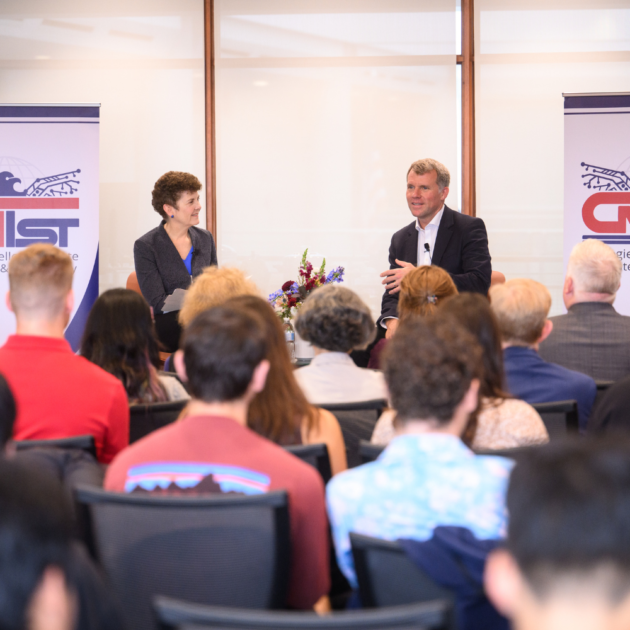
- King’s, Partners Hold Key Global Security Talks in D.C.
- On Hamas with Christiane Amanpour
- “How Hamas Ends: A Strategy for Letting the Group Defeat Itself”
- “How Israel Can Win: Defeating Hamas Will Require a Strategy That Goes Beyond Revenge”
- “What Israel should do now”
- “Deadly Siege Marks Hamas’ Effective Use of Combat Drone Swarm”
- “We just saw the future of war”
- “Open Source Technology and Public-Private Innovation are the Key to Ukraine’s Strategic Resilience“
- “How Private Tech Companies Are Reshaping Great Power Competition“
- “Designing lethal technologies”
- “Trends in Global Terrorism and the Return of State Sponsorship”
- “Biology’s Tectonic Shifts and Novel Risks”
- More stories

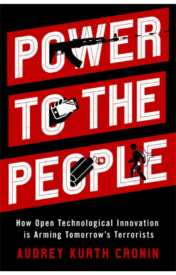
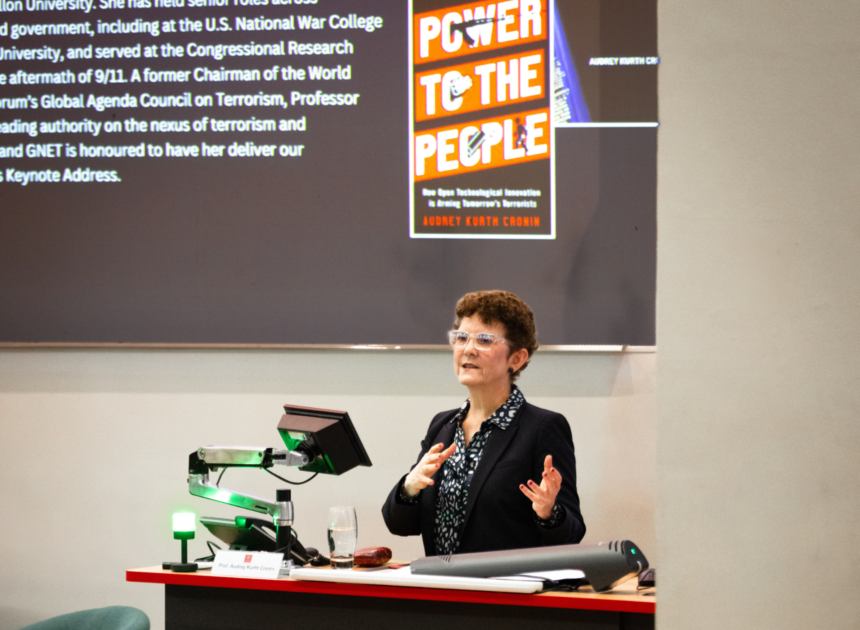
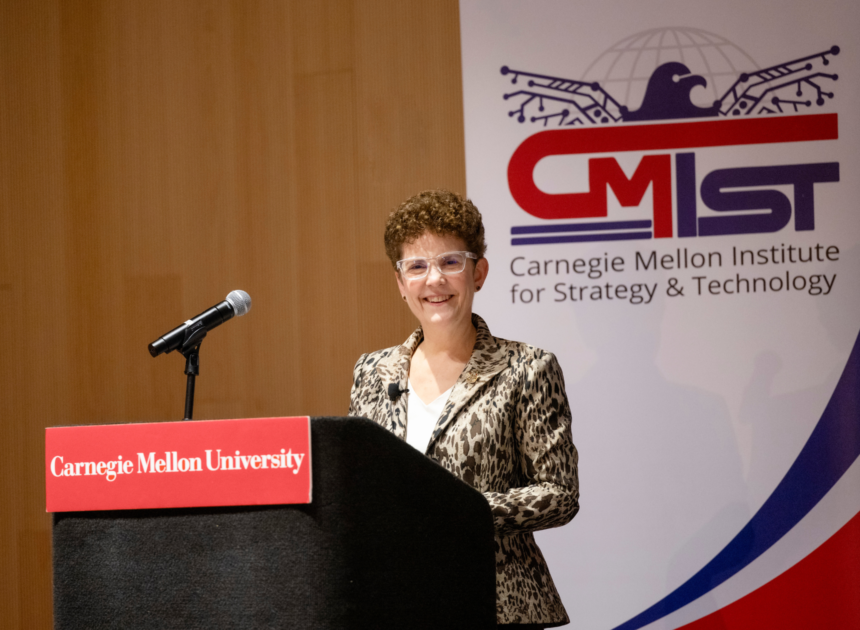
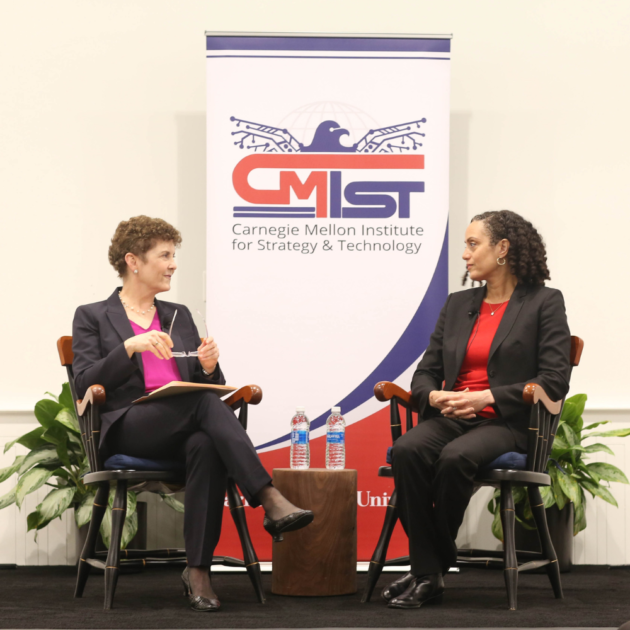
Professor Audrey Kurth Cronin is Director of the Carnegie Mellon Institute for Strategy and Technology (CMIST) and Trustees Professor of Security and Technology. A leading expert on emerging technology and international security, her research explores how widely available, off-the-shelf tools are reshaping modern conflict. In her award-winning book Power to the People: How Open Technological Innovation is Arming Tomorrow’s Terrorists (Oxford, 2020), she shows that 21st-century threats stem not only from elite labs or state arsenals, but also from commercial technologies in the hands of individuals and networks. From robotics to AI to biotechnology, Cronin shows how accessible innovation is empowering non-state actors in ways that traditional security frameworks often fail to anticipate.
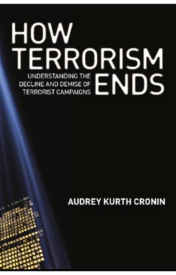
Cronin is also author of the widely cited How Terrorism Ends: Understanding the Decline and Demise of Terrorist Campaigns (Princeton, 2009), which The New Yorker called a “landmark study.” Her recent Foreign Affairs piece, “How Hamas Ends,” draws on her analysis of over 450 terrorist groups to propose a counterterrorism strategy grounded in organizational decline.
A former Marshall Scholar, she holds a DPhil from Oxford and has served in a range of academic and U.S. policy roles, including at Oxford University, the Congressional Research Service, the National War College, and the Office of the Secretary of Defense for Policy. She frequently advises U.S. and international business and security leaders on technology and strategy.
Reviews & Awards
- Winner of the 2020 Airey Neave Book Prize
- Shortlisted for the Lionel Gerber Prize
- Foreign Affairs: Power to the People
- Science Magazine: From 3-D printed guns to weaponized hobby drones, open technologies pose sinister threats
- New Scientist: When Innovation Can Kill
- Engadget: Hitting the Books: Hackers can convince your IoT devices to betray you
Defense & Aerospace Podcast
Power Problems Podcast
Your Undivided Attention Podcast
The World Wars Podcast
Decisive Point Podcast
New Books Network Podcast
American Innovations Podcast
Big World Podcast
Books by Dr. Audrey Kurth Cronin
We live in an epoch of unprecedented popular empowerment. Increasing access to information, rising global living standards, growing literacy, and improving medical care and longevity are just a handful of the benefits derived from the modern march of technological innovation. Yet the same technologies that are furthering prosperity are creating critical new security vulnerabilities.
The worldwide dispersal of emerging technologies, such as commercial drones, cyber weapons, 3D printing, military robotics and autonomous systems, is generating gaping fissures in the ability of conventional armed forces to combat lethal capabilities of non-state actors, most notably terrorists, but also rogue lone actors, insurgent groups, and private armies. Never before have so many had access to such advanced technologies capable of inflicting death and mayhem. Unless we better understand the rapidly developing threats, governments, especially democracies, will be increasingly unable to combat them.